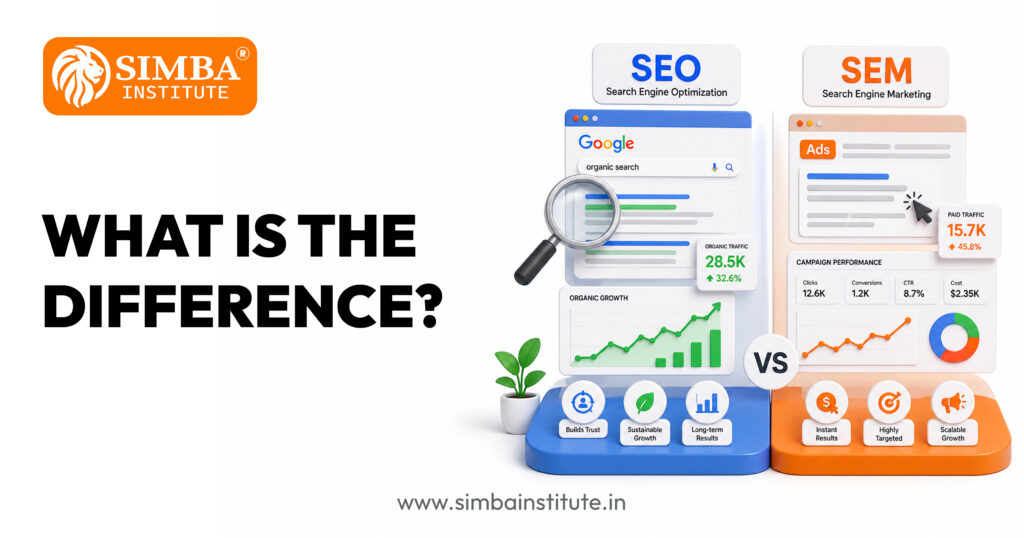

IT careers and the information revolution are changing rapidly, and there’s no better time to get in on the action. If you’re interested in pursuing a career in IT, there’s no better time than now. But where do you start? There are so many different types of jobs in this industry that it can be hard to know where to start looking for one that’s right for you. Luckily, there are lots of resources available online—from websites like CareerBuilder and Indeed to organizations like the Society for Women Engineers (SWE). And if you’re wondering what kinds of careers are out there and what they pay, we’ve got some answers for you! If you’re interested in pursuing a career in IT, there’s no better time than now. But where do you start? There are so many different types of jobs in this industry that it can be hard to know where to start looking for one that’s right for you. But how can you find an IT job that will pay well enough for you to live comfortably and provide for your family? To help you answer this question, we’ve compiled a list of the top 5 IT courses that will make you stand out from other candidates—and get you hired! 5 IT Courses That Gives You Highest Salary 1. Data Scientist Data science is a relatively new concept but it has seen rapid growth. Data scientists are required to work on various projects that help companies improve their business processes. A data scientist has to have the knowledge of statistics, machine learning and programming languages such as Python, R and SAS. It is estimated that there will be a shortage of 1.5 million data scientists by 2020 across the world. The demand for data science professionals has been increasing over the years with major companies like Google, Apple, Facebook and Amazon hiring them in large numbers. Average Salary of the Data Scientist in India: The average salary of a data scientist in India is around 3.2 lakhs per annum (Rs 320000). To become a data scientist you need to enhance the following skills: Mathematical Skills Data Visualization Technique Programming Languages Machine Learning 2. Full Stack Developer The full-stack developer is a person who is capable of handling all the aspects of software development, including design and implementation. The full-stack Developer can develop both frontend and backend applications using various programming languages like Java, Python, JavaScript, C# etc. Full stack developers have the most in-demand skills in the tech world today. They’re able to take an idea from concept to completion, including everything from user interface design to back-end programming and more The growth rate of full stack developers is expected to grow by 18% between now and 2024, which makes them one of the fastest growing positions in IT right now. As more companies begin adopting cloud computing solutions, there will be an increased demand for full stack developers who can manage these systems. Average Salary of Full Stack Developers in India: Average salary of full stack developer in India is Rs 2.5 lakh per month (as per 2022 research). To become a data scientist you need to enhance the following skills: HTML and CSS JavaScript Frameworks Backend Programming Languages Web Architecture Git and GitHub Database Management Systems, etc. 3. Digital Marketing Specialist Digital marketer is one of the most popular jobs in India. The digital marketer is responsible for the marketing of a company’s products or services through an online medium. Digital marketers must have a thorough understanding of how to use various social media platforms like Facebook, Twitter, YouTube etc. There is a huge demand for digital marketers in India as well. The growth of digital marketing course industry in India is increasing day by day and it is expected that there will be a high demand for Digital Marketer in 2023. Digital Marketer Salary in India: The average salary of the Digital Marketer in India is Rs 30 lakhs per year. The salary ranges from Rs 1,50,000-5,00,000 per month. To become a digital marketer you need to enhance the following skills: Content Marketing Data Analysis Search Engine Marketing Social media marketing 4. Artificial Intelligence Engineer An AI engineer is a computer scientist who designs, builds, and tests software that can learn from data. They may work in the field of machine learning or data science. The AI engineer’s job is to create algorithms that enable computers to make decisions using artificial intelligence. The growth of AI in India has been rapid over the last few years due to the country’s high-tech sector and large population of young people with access to education. The AI industry in India is expected to grow by over 30% every year through 2022. The average annual salary for an AI engineer in India is Rs 3,65,000 – 4,00,000 per year (USD $55,622 – $61,000). To become a artificial intelligence engineer, you need to enhance the following skills: HTML and CSS JavaScript Git and GitHub Backend languages Web architecture HTTP and REST Database storage 5. Data Analytics Data Analytics is one of the most popular courses in India. In fact, it was ranked as the best course to pursue by The Economic Times. Data Analytics is a branch of computer science that uses data to discover patterns and make predictions. This can be done using data from any industry or field, including business, health care, and social sciences. Data Analytics is very much in demand in India. The demand for data scientists is expected to grow by over 30% over the next 5 years. Data analytics professionals are paid well; their average income was Rs 4.5 lakh per year (roughly $7,000) in 2022. The skills required to be a Data Analyst are: 1) SQL (Structured Query Language) – A query language used to retrieve information from databases 2) R – An open source programming language and software environment for statistical computing and graphics 3) Python – A general purpose programming language that can be used for many types of applications including web development and data science projects Conclusion: The IT courses mentioned above can surely guide
5 IT Courses To Get You A High Paying Job In 2024 Read More »
Blog, Business